How to Recession-Proof Your Real Estate Portfolio | Mortgage & Cash Flow Strategies for Investors
In this solo episode of the Wisdom Lifestyle Money Show, host Scott Dillingham tackles one of the most pressing concerns facing Canadian real estate investors: how to protect and optimize your portfolio during times of economic uncertainty. With trade tensions between the U.S. an…
Show notes
In this solo episode of the Wisdom Lifestyle Money Show, host Scott Dillingham tackles one of the most pressing concerns facing Canadian real estate investors: how to protect and optimize your portfolio during times of economic uncertainty. With trade tensions between the U.S. and Canada, shifting interest rate forecasts, and growing vacancy rates across the country, Scott breaks down the proactive steps every investor should be taking right now rather than waiting for problems to arrive.
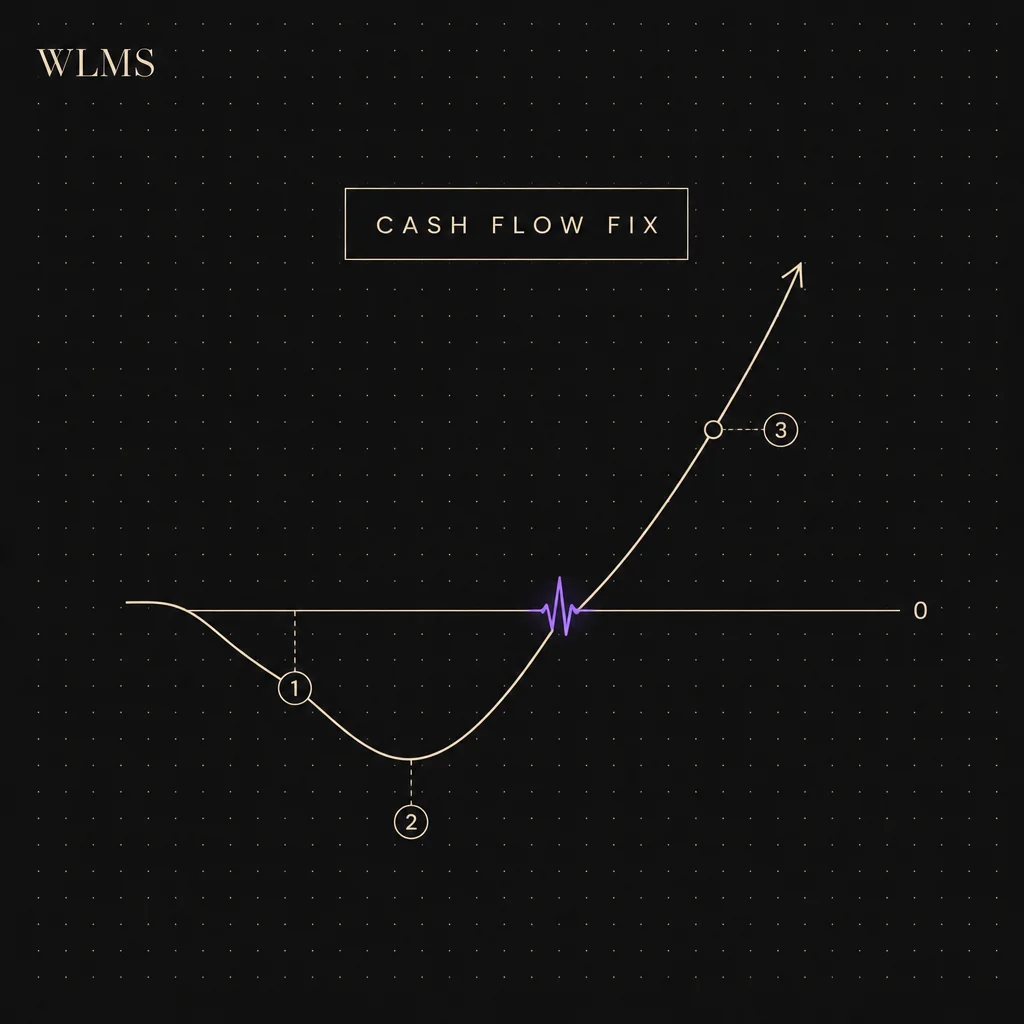
Scott opens by reframing economic turbulence as opportunity. Rather than retreating from the market, he encourages investors to use periods of uncertainty to optimize their portfolios, starting with a mortgage portfolio review. He walks through how extending your amortization from, say, 20 years to 30 years can dramatically improve monthly cash flow on investment properties, even if your rate increases at renewal. By treating the 30-year amortization as a minimum payment rather than a fixed obligation, investors gain the flexibility to increase payments when times are good and pull back when cash flow tightens. The Bank of Canada's policy rate currently sits at 2.25%, with most major forecasters expecting it to hold steady through much of the year before potential rate hikes begin toward late 2026 or into 2027, making now a strategic window to lock in favourable terms.
A major theme throughout the episode is the mortgage renewal wave hitting Canadian homeowners and investors alike. According to the Bank of Canada, roughly 60% of all outstanding mortgages are expected to renew in 2025 and 2026, with five-year fixed-rate holders potentially facing payment increases of 15% to 20%. For investors, this underscores the urgency of reviewing and restructuring financing before renewal deadlines arrive. Scott emphasizes that even investors with strong current cash flow should consider resetting their amortization to build in a financial buffer.
Scott also addresses rising vacancy rates across Canada. CMHC's latest data shows the national purpose-built rental vacancy rate climbed to 3.1% in 2025, up from 2.2% the year prior, driven by record levels of new rental construction and reduced immigration. He cautions investors about the temptation to accept lower-quality tenants just to fill units and urges building a reserve fund of at least three months' rent per unit to maintain the flexibility to wait for the right tenant. On the buying side, Scott argues that the current buyer's market presents strong acquisition opportunities, especially for listings that have sat for 60 to 90 days, and notes that investors are increasingly gravitating toward multifamily properties in Canada and cross-border investment in the U.S. This episode is packed with actionable strategies any Canadian real estate investor can implement immediately to strengthen their portfolio against whatever the market brings next.
Key Takeaways
- Build a Reserve Fund: Aim for a minimum of three months' rent saved per unit to protect against rising vacancy rates and avoid the pressure of accepting unqualified tenants just to fill space.
- Extend Your Amortization for Flexibility: Switching from a shorter amortization to 30 years on investment properties can significantly improve cash flow. Treat the longer amortization as a minimum payment and increase payments when finances allow.
- Mortgage Portfolio Review Is Essential: Even if cash flow is strong, restructuring your financing now — while rates are still relatively low — creates a buffer against potential rate increases forecasted for late 2026 or 2027.
- Tenant Quality Over Speed: Resist the urge to fill vacancies with the first applicant. A bad tenant can cause far more financial damage than a month or two of vacancy, especially when you have reserves in place.
- Buyer's Market Means Buying Opportunity: Less competition, more negotiating power, and motivated sellers with stale listings create favourable conditions for investors who are ready to act.
- Multifamily and U.S. Markets Are Trending: Canadian investors are increasingly moving into multifamily acquisitions and cross-border U.S. real estate, reflecting a shift in where the strongest opportunities lie.
Links to Show References
- LendCity Mortgages (Portfolio Reviews & Pre-Approvals): lendcity.ca
- Book a Call with the LendCity Team: Link in episode description
- Bank of Canada Interest Rate Announcements: bankofcanada.ca
- CMHC 2025 Rental Market Report: cmhc-schl.gc.ca
- CMHC Housing Market Outlook 2026: cmhc-schl.gc.ca
- (00:00) - – Why Now Is the Time to Recession-Proof Your Portfolio
- (01:18) - – Finding Opportunity in Uncertain Markets
- (01:38) - – Bank of Canada Rate Outlook and What It Means for Investors
- (02:51) - – Building a Reserve Fund: Three Months Rent Per Unit
- (03:50) - – Rising Vacancy Rates and the Impact of Immigration Policy
- (05:21) - – Mortgage Portfolio Review: Optimizing Rates and Amortization
- (06:51) - – How Extending Amortization Improves Cash Flow
- (08:14) - – Using Amortization as a Minimum Payment Strategy
- (08:32) - – Tenant Quality: Why Settling for Any Tenant Is a Costly Mistake
- (10:12) - – Fixed vs. Variable Rates: Historical Trends and What to Watch
- (11:43) - – Why a Buyer's Market Creates the Best Deals
- (13:06) - – Real Examples of Finding Undervalued Properties
- (13:47) - – Pent-Up Demand and the Spring Market Outlook
- (15:03) - – Multifamily and U.S. Investing Trends for Canadian Investors
Transcript
Introduction
How to Recession-Proof Your Real Estate Portfolio | Mortgage & Cash Flow Strategies for Investors
Welcome to the Wisdom Lifestyle Money Show. I'm your host, Scott Dillingham. The show is designed to help Canadians invest better in Canada and the United States. We are the North America-based mortgage financing lender and provide education to both countries.
Discover how you can become a better investor and access the financing you need. Welcome to today's episode: How to Recession-Proof Your Real Estate Portfolio | Mortgage & Cash Flow Strategies for Investors. In this solo episode of the Wisdom Lifestyle Money Show, host Scott Dillingham tackles one of the most pressing concerns facing Canadian real estate investors: how to protect and optimize your portfolio during times of economic uncertainty. With trade tensions between the U.S. and Canada, shifting interest rate forecasts, and growing vacancy rates across the country, Scott breaks down the proactive steps every investor should be taking right now rather than waiting for problems to arrive. Scott opens by reframing economic turbulence as opportunity.
Rather than retreating from the market, he encourages investors to use periods of uncertainty to optimize their portfolios, starting with a mortgage portfolio review. He walks through how extending your amortization from, say, 20 years to 30 years can dramatically improve monthly cash flow on investment properties, even if your rate increases at renewal. By treating the 30-year amortization as a minimum payment rather than a fixed obligation, investors gain the flexibility to increase payments when times are good and pull back when cash flow tightens.
The Core Idea
The Bank of Canada's policy rate currently sits at 2.25%, with most major forecasters expecting it to hold steady through much of the year before potential rate hikes begin toward late 2026 or into 2027, making now a strategic window to lock in favourable terms. A major theme throughout the episode is the mortgage renewal wave hitting Canadian homeowners and investors alike. According to the Bank of Canada, roughly 60% of all outstanding mortgages are expected to renew in 2025 and 2026, with five-year fixed-rate holders potentially facing payment increases of 15% to 20%.
For investors, this underscores the urgency of reviewing and restructuring financing before renewal deadlines arrive. Scott emphasizes that even investors with strong current cash flow should consider resetting their amortization to build in a financial buffer. Scott also addresses rising vacancy rates across Canada.
CMHC's latest data shows the national purpose-built rental vacancy rate climbed to 3.1% in 2025, up from 2.2% the year prior, driven by record levels of new rental construction and reduced immigration. He cautions investors about the temptation to accept lower-quality tenants just to fill units and urges building a reserve fund of at least three months' rent per unit to maintain the flexibility to wait for the right tenant. On the buying side, Scott argues that the current buyer's market presents strong acquisition opportunities, especially for listings that have sat for 60 to 90 days, and notes that investors are increasingly gravitating toward multifamily properties in Canada and cross-border investment in the U.S.
This episode is packed with actionable strategies any Canadian real estate investor can implement immediately to strengthen their portfolio against whatever the market brings next. Key Takeaways Build a Reserve Fund : Aim for a minimum of three months' rent saved per unit to protect against rising vacancy rates and avoid the pressure of accepting unqualified tenants just to fill space. Extend Your Amortization for Flexibility : Switching from a shorter amortization to 30 years on investment properties can significantly improve cash flow.
Deep Dive
Treat the longer amortization as a minimum payment and increase payments when finances allow. Mortgage Portfolio Review Is Essential : Even if cash flow is strong, restructuring your financing now — while rates are still relatively low — creates a buffer against potential rate increases forecasted for late 2026 or 2027. Tenant Quality Over Speed : Resist the urge to fill vacancies with the first applicant.
A bad tenant can cause far more financial damage than a month or two of vacancy, especially when you have reserves in place. Buyer's Market Means Buying Opportunity : Less competition, more negotiating power, and motivated sellers with stale listings create favourable conditions for investors who are ready to act. Multifamily and U.S.
Markets Are Trending : Canadian investors are increasingly moving into multifamily acquisitions and cross-border U.S. real estate, reflecting a shift in where the strongest opportunities lie. Links to Show References LendCity Mortgages (Portfolio Reviews & Pre-Approvals): lendcity.ca Book a Call with the LendCity Team: Link in episode description Bank of Canada Interest Rate Announcements: bankofcanada.ca CMHC 2025 Rental Market Report: cmhc-schl.gc.ca CMHC Housing Market Outlook 2026: cmhc-schl.gc.ca (00:00) - – Why Now Is the Time to Recession-Proof Your Portfolio (01:18) - – Finding Opportunity in Uncertain Markets (01:38) - – Bank of Canada Rate Outlook and What It Means for Investors (02:51) - – Building a Reserve Fund: Three Months Rent Per Unit (03:50) - – Rising Vacancy Rates and the Impact of Immigration Policy (05:21) - – Mortgage Portfolio Review: Optimizing Rates and Amortization (06:51) - – How Extending Amortization Improves Cash Flow (08:14) - – Using Amortization as a Minimum Payment Strategy (08:32) - – Tenant Quality: Why Settling for Any Tenant Is a Costly Mistake (10:12) - – Fixed vs. Variable Rates: Historical Trends and What to Watch (11:43) - – Why a Buyer's Market Creates the Best Deals (13:06) - – Real Examples of Finding Undervalued Properties (13:47) - – Pent-Up Demand and the Spring Market Outlook (15:03) - – Multifamily and U.S.
Investing Trends for Canadian Investors
Practical Steps
Thank you so much for tuning into the show today. If you found value, please follow the show and rate it five stars. It would mean the world to me. And lastly, all the resources that we spoke about are at the bottom of the show notes. Looking forward to seeing you in the next episode.